
RC Car Maintenance Checklist That Works
25/05/2026
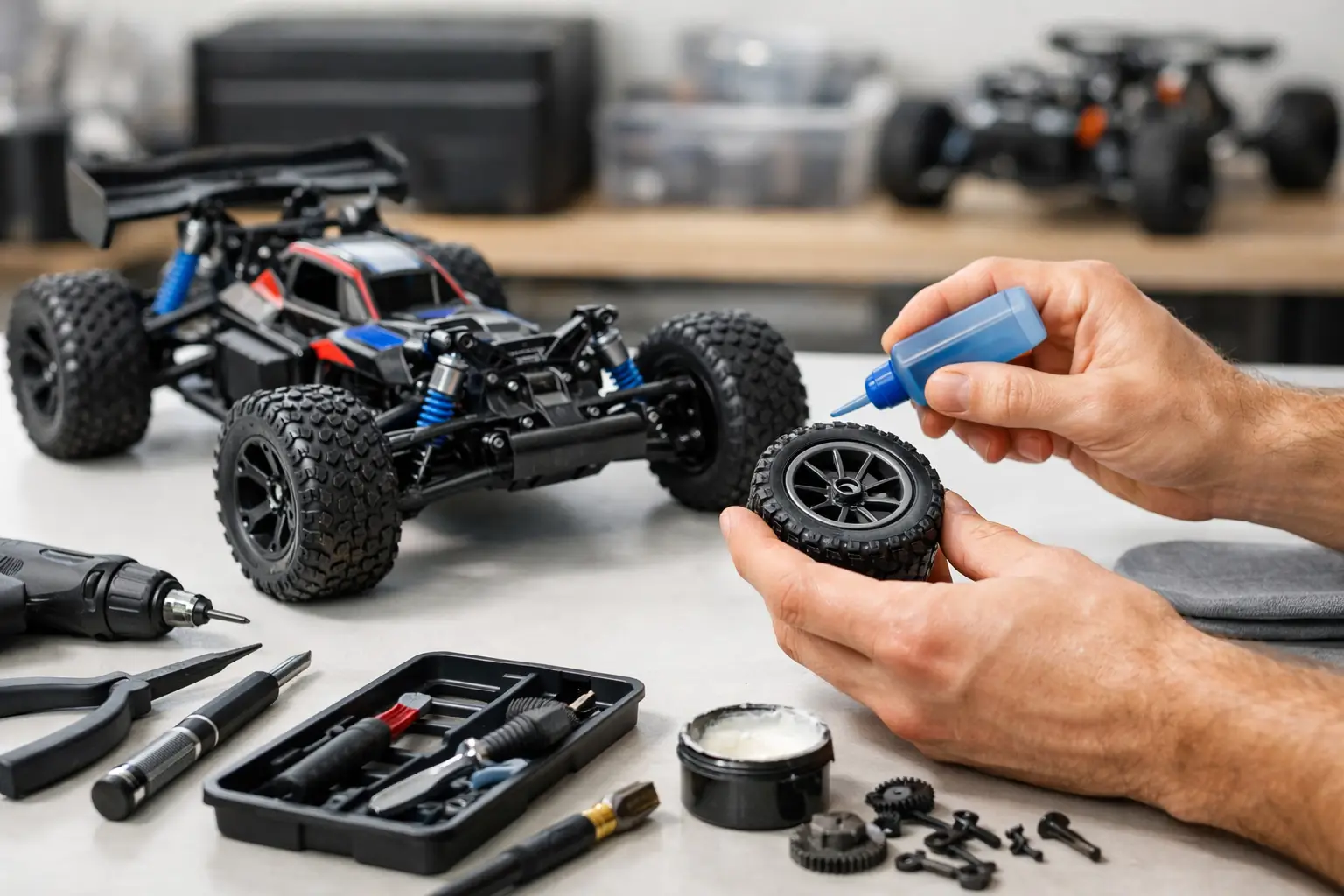
RC Car Maintenance Checklist - Keep Your RC Running Properly for Longer
A fast RC car can feel perfect right up to the moment it strips a spur gear, cooks a bearing or cuts out halfway through a run. Most of the time, that failure was building for several sessions. A good RC car maintenance checklist is less about extra admin and more about protecting performance, battery life and expensive parts.
Whether you run a basher in the park, a buggy at the local track or a crawler in wet British conditions, the basics stay the same. Clean it properly, check wear before it becomes damage, and replace small items before they take larger components with them. That approach saves money and keeps your model ready to run.
RC Model Shop stocks a large range of RC accessories and spare parts:
https://www.applianceelectronics.co.uk/products/386/accessories-parts
And RC tools and maintenance equipment:
https://www.applianceelectronics.co.uk/products/434/tools
Suitable for bashers, crawlers, race cars and general RC maintenance.
Why an RC car maintenance checklist matters
RC cars live a hard life. Dust works into bearings, grit wears drivetrains, vibration loosens screws and heat shortens the life of electronics. Even a light knock can bend a turnbuckle or knock out gear mesh just enough to cause problems later.
The main benefit of an RC car maintenance checklist is consistency. Instead of waiting for something to fail, you inspect the same key areas every time. Beginners get fewer frustrating breakdowns, while experienced users get more reliable tuning because worn parts are not masking setup changes.
There is also a practical buying benefit. When you know exactly what tends to wear on your model, it is easier to keep the right spares on hand, from body clips and wheel nuts through to bearings, suspension arms, pinions and diff parts.
The after-run RC car maintenance checklist
The most useful checks happen straight after a run, before dirt dries and before you forget what the car felt like. Start with the shell off and the battery disconnected.
Clean first, but do it with care. A soft brush, compressed air and a dry cloth are usually enough for regular maintenance. Avoid blasting bearings and electronics with water unless the model is specifically designed for wet running and you are prepared to dry and re-lubricate everything afterwards.
Next, spin each wheel by hand. You are checking for rough bearings, binding driveline parts or debris caught around axles.
Check tyres and wheels for tears, loose glue and cracked rims. Uneven tyre wear can point to poor setup, worn suspension parts or the wrong tyre compound for the surface.
Move on to the suspension. Compress each corner and let it return. It should feel smooth and reasonably even from side to side. Sticky suspension often points to bent hinge pins, leaking shocks or damaged rod ends.
Finally, inspect the chassis for loose fasteners, cracked plastics and bent metal parts. Pay close attention to shock towers, steering components, motor screws and wheel nuts.
Battery, motor and ESC checks
Power system problems are expensive when ignored and simple when caught early.
After each run, check battery wires, plugs and connectors for heat damage, looseness or fraying. If a connector feels unusually hot, investigate before the next run.
LiPo users should check for puffing, damaged balance leads or split outer wrapping. Batteries should be storage charged if they are not being used again soon.
Motors deserve a quick temperature check too. A motor that is too hot to touch comfortably after normal driving may be overgeared or overworked.
The ESC should remain clean and securely mounted. If the ESC has a cooling fan, make sure it spins freely and is not clogged with dirt.
Drivetrain and gearing inspection
If your car sounds harsher than usual or starts clicking under load, inspect the drivetrain before the next run.
Remove the gear cover and inspect the spur and pinion. Teeth should look clean and evenly shaped. Missing teeth or black dust around the gears usually points to poor gear mesh or contamination.
Centre shafts, dogbones, CVDs and outdrives all wear gradually. Look for excessive slop or pins backing out.
Differentials need occasional servicing too. If the car clicks under power, unloads badly in corners or leaks diff oil, it is probably time for maintenance.
Steering, screws and hidden wear points
Steering issues can make a good RC car feel poor very quickly.
Check servo saver tension, steering links and bellcranks for excessive play. A car that wanders at speed may simply need fresh bearings or rod ends rather than expensive electronics upgrades.
Motor screws, suspension mounts and pinion grub screws should also be checked regularly, especially on high-powered brushless setups.
Bearings are another hidden wear point. If they feel gritty, rough or noisy, replace them before they damage hubs or driveline parts.
How often should you service your RC car?
That depends on where and how you run it.
A lightly used on-road car needs far less maintenance than a 6S basher landing hard jumps every weekend.
As a sensible guide:
- light checks after every run
- more detailed inspection every few outings
- full strip-downs when wear becomes noticeable
Wet conditions, beach sand and repeated heavy impacts all shorten service intervals.
A sensible tools and spares setup
The easiest maintenance is the maintenance you are prepared for.
Useful RC tools include:
- hex drivers
- turnbuckle tools
- shock pliers
- body reamers
- soldering equipment
Useful spare parts include:
- body clips
- wheel nuts
- bearings
- suspension arms
- rod ends
- spur gears
- drivetrain pins
Keeping model-specific spares usually saves far more time and money than emergency ordering individual parts later.
Common RC maintenance mistakes
The biggest mistake is confusing cleaning with servicing. A shiny RC car can still have worn bearings, loose motor screws and failing drivetrain parts.
Another common problem is overtightening screws. Tightening everything excessively can damage threads and bind moving parts.
Using too much lubricant is another issue. Excess oil attracts dirt and can create more wear rather than less.
Most importantly, do not ignore changes in:
- noise
- heat
- handling
- drivetrain smoothness
RC cars usually give warning signs before major failures happen.
Final thoughts
A well-maintained RC car is simply more enjoyable to own. It runs more consistently, breaks less often and costs less to keep on the road long-term.
At RC Model Shop, the focus is always helping RC owners properly maintain their vehicles with the right tools, spare parts and maintenance accessories for their driving style and terrain.
Frequently Asked Questions
How often should I clean my RC car?
Light cleaning should ideally happen after every run, especially in wet or dusty conditions.
What is the most common RC maintenance issue?
Worn bearings, loose screws and poor gear mesh are some of the most common causes of RC failures.
Can water damage waterproof RC cars?
Yes. Waterproof electronics still require maintenance because bearings, driveline parts and metal hardware can corrode.
Why is my RC car making clicking noises?
Clicking often points to worn drivetrain parts, damaged gears or loose driveline pins.
What tools should every RC owner have?
Basic hex drivers, turnbuckle tools, body reamers and shock tools are useful for most hobby-grade RC vehicles.
Written by the RC team at RCModelShop.co.uk / Appliance Electronics UK Ltd, UK supplier of RC tools, spare parts, accessories and hobby-grade RC maintenance equipment.